
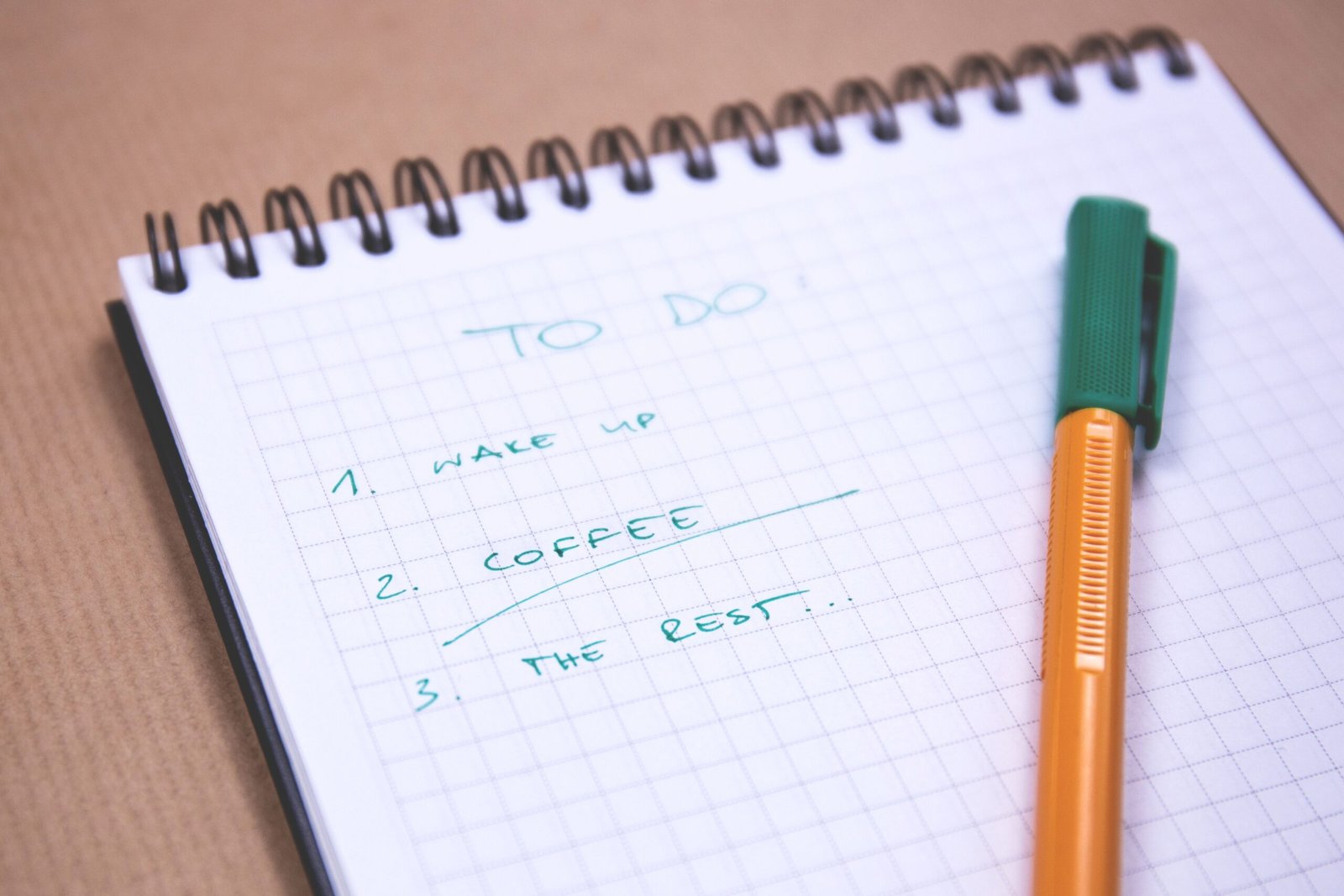
7 Tips for a Morning Routine for Discipline

A solid morning routine for discipline isn’t about waking up at 5 a.m. and squeezing in an hour of yoga before sunrise. It’s about creating a handful of small, repeatable actions that train your brain to follow through, even when motivation is nowhere to be found.
If you’ve ever set a goal on a Sunday night and quietly abandoned it by Wednesday, you already know the real problem isn’t your willpower. It’s your structure. And structure starts the second your alarm goes off.
This guide breaks down exactly how to build a morning routine for discipline that works in real life, not just for the first three days, but for the long haul.
Table of Contents
Why Your Morning Sets the Tone for Everything Else
Here’s something nobody tells you about discipline: it’s not a personality trait. It’s a skill. And like any skill, it gets stronger with repetition.
A morning routine for discipline works because it removes decisions. Every choice you make in the first hour of your day, hit snooze or get up, check your phone or not, skip breakfast or eat something real, either builds momentum or quietly drains it.
Researchers call this “decision fatigue.” The more small decisions you make early on, the less mental energy you have left for the ones that actually matter later.
Take a friend of mine, for example. She spent years telling herself she just wasn’t a “morning person.” Turns out, she wasn’t lacking motivation: she was making forty micro-decisions before 8 a.m. and burning out before her workday even began. Once she built a fixed sequence for her mornings, everything changed within a few weeks.
That’s exactly why a disciplined morning routine works so well. It takes the guesswork out of the equation. You’re not deciding what to do, you’re just doing it, because it’s already the plan.
The Real Benefits of a Morning Routine for Discipline
Before diving into the how, it’s worth understanding what you’re actually working toward. A consistent morning routine tends to deliver:
- Sharper focus during the first few hours of work, when your brain is naturally at its best
- Fewer impulsive decisions later in the day, since your willpower isn’t depleted early
- A stronger sense of control, even on days that otherwise feel chaotic
- Better sleep, because a fixed wake time naturally regulates your body clock
- Less anxiety around getting started, since the “what should I do first” question is already answered
None of these show up overnight. But they compound, week after week.
How to Build a Morning Routine for Discipline (Step by Step)
You don’t need a twelve-step system to get results. You need a few non-negotiables you can actually stick to, even on your worst day.
Step 1: Wake Up at the Same Time, Every Day
This one sounds boring. It is boring. But it’s also the single most important part of any morning routine for discipline.
Waking up at a consistent time, yes, even on weekends, trains your internal clock. Within two to three weeks, most people start waking up naturally, before the alarm even goes off.
- Pick a time you can realistically commit to for the next 30 days
- Avoid shifting it more than 30–60 minutes on rest days
- Give yourself grace during week one; consistency beats perfection
Step 2: Don’t Touch Your Phone for the First 20–30 Minutes
Checking your phone first thing hijacks your attention before you’ve even chosen what to focus on. Emails, notifications, someone else’s opinions: none of that should be the first input your brain receives.
Try this instead: leave your phone in another room overnight, or at the very least, keep it on airplane mode until your routine is finished.
Step 3: Move Your Body, Even for Five Minutes
You don’t need a full workout. A short walk, a few stretches, or ten push-ups is enough to shift your physiology from “sleepy” to “switched on.”
Movement in the morning has a well-documented effect on mood and focus. Honestly, it’s one of the easiest wins in any morning routine for discipline, because it requires almost no willpower once you’re already up and moving.
Step 4: Write Down Your One Priority for the Day
Not five priorities. One.
Ask yourself: “If I only get one thing done today, what would actually make it a win?” Write that down before you open your laptop or check a single message.
This small habit does more for daily discipline than almost anything else on this list, because it forces clarity before the chaos of the day begins.
Step 5: Do the Hard Thing First
This is the core of any effective morning routine for discipline: tackle your most uncomfortable task while your willpower is still at its highest.
Whether that’s a workout, a cold shower, a difficult conversation you’ve been avoiding, or just opening the document you’ve been dreading, do it before 9 a.m., and the rest of your day feels easier by comparison.
A Sample Morning Routine for Discipline You Can Copy
Here’s a simple structure you can adapt to your own schedule. Nothing fancy, just repeatable.
| Time | Action | Why It Matters |
|---|---|---|
| 6:00 AM | Wake up (same time daily) | Builds a stable internal clock |
| 6:05 AM | Drink water, no phone | Rehydrates and avoids the dopamine hijack |
| 6:15 AM | 10-minute movement | Wakes up the nervous system |
| 6:30 AM | Write down top priority | Creates focus before distractions hit |
| 6:40 AM | Start the hardest task | Uses peak willpower efficiently |
| 7:30 AM | Breakfast + plan the day | Sustains energy and structure |
You don’t need to copy this exactly. What matters is that your version has a fixed order, because a morning routine for discipline only works if it’s predictable.
Common Mistakes That Sabotage a Morning Routine for Discipline
Even people with great intentions get this wrong. Here are the mistakes that show up most often.
Trying to Change Everything at Once
Overhauling your entire morning in one go almost always backfires. You wake up excited on day one, exhausted by day four, and back to old habits by day seven. Start with one or two changes, not seven.
Relying on Motivation Instead of Structure
Motivation is unreliable by design, it comes and goes with your mood, your sleep, your stress levels. A real morning routine for discipline doesn’t depend on how you feel. It runs on autopilot, whether you’re excited about it or not.
Skipping Weekends “Just This Once”
Consistency is the entire point. One skipped day usually isn’t the real problem. The mental permission it quietly creates for the next skipped day is.
Making the Routine Too Long
If your routine takes two hours, you’ll probably quit within a week. Keep it under 45 minutes to start, then expand once it’s fully automatic.
Tools That Make It Easier to Stick With
You don’t need fancy apps to make this work, but a few small tools can remove friction:
- A physical alarm clock kept across the room, so your phone stays out of reach
- A simple notebook for writing down your one daily priority
- A visible habit tracker, even a basic checklist on paper, to see your streak grow
- Clothes laid out the night before, especially if movement is part of your routine
Small friction removed in advance means fewer excuses in the moment.
How Long Does It Actually Take to Build Discipline This Way?
Most people notice a shift in focus and energy within 7 to 10 days. But real, automatic discipline, the kind where you don’t have to think about it anymore, usually takes 60 to 90 days of consistent repetition.
That number isn’t magic. It’s simply how long it takes your brain to turn a deliberate action into a default one.
The good news? Every single day you follow your morning routine for discipline, even imperfectly, counts as a rep. And reps are what actually build the skill, not perfect streaks.
Frequently Asked Questions
What is the best morning routine for discipline? There’s no single “best” routine. The most effective morning routine for discipline is the one you can realistically repeat every day, including waking at a consistent time, avoiding your phone early on, and tackling one meaningful task first.
How early should I wake up for a disciplined morning routine? The exact time matters less than consistency. A morning routine for discipline works best when you wake up at the same time daily, whether that’s 5:30 a.m. or 7 a.m.
Can a morning routine really improve self-discipline? Yes. A structured morning routine for discipline reduces decision fatigue and builds early momentum, which naturally carries over into better focus and follow-through throughout the day.
How long does it take to build a morning routine for discipline? Most people feel a noticeable difference within one to two weeks, though it typically takes 60 to 90 days of consistent repetition before the routine becomes fully automatic.
What if I keep failing to stick to my morning routine for discipline? Simplify it. Most failed routines fail because they’re too ambitious from day one. Cut it down to one or two non-negotiable habits, and build from there once they feel automatic.
Final Thoughts
Discipline was never really about willpower alone. It’s about designing your environment, and your first hour especially, so the right choice becomes the easy choice.
Start small. Pick one habit from this guide, commit to it for the next two weeks, and let your morning routine for discipline build from there, one repeatable rep at a time.
You don’t need a perfect morning. You just need a consistent one.
